
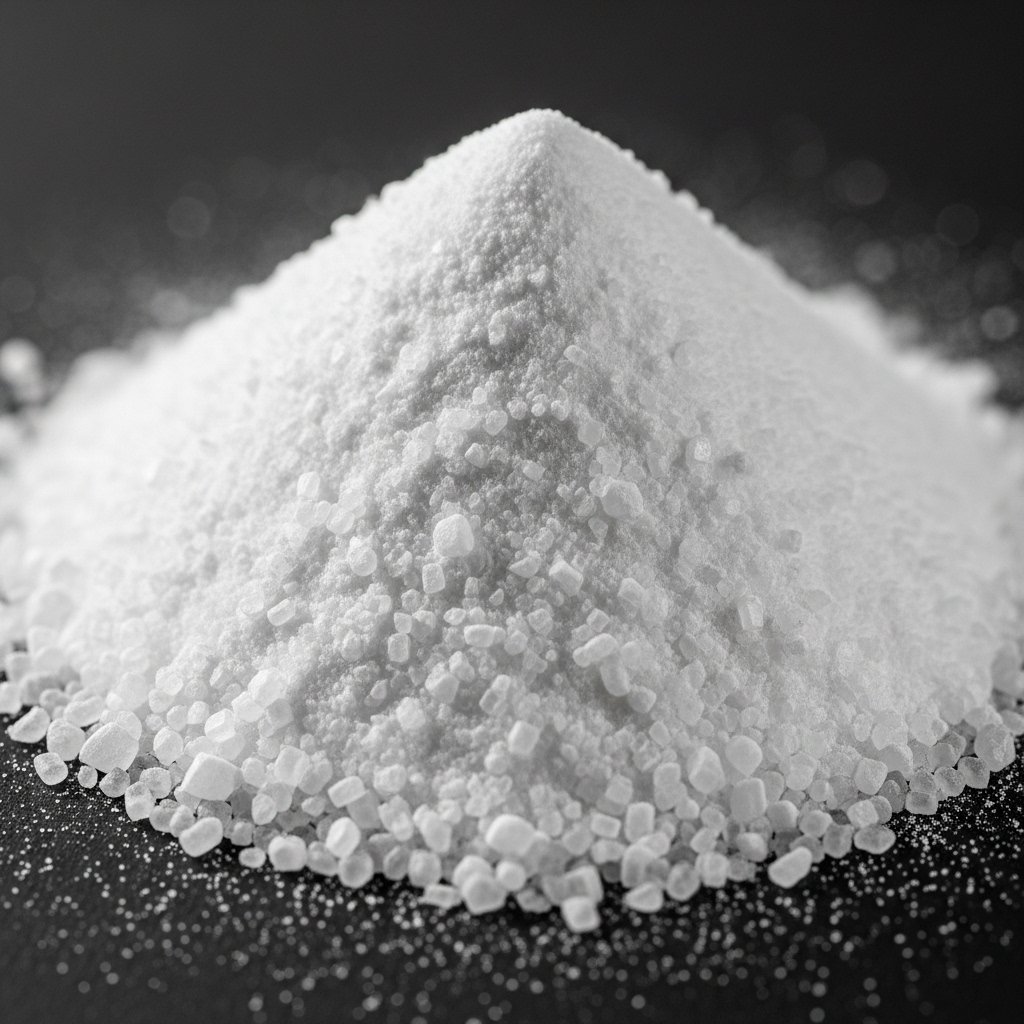
Description
What is Sodium Tripolyphosphate?
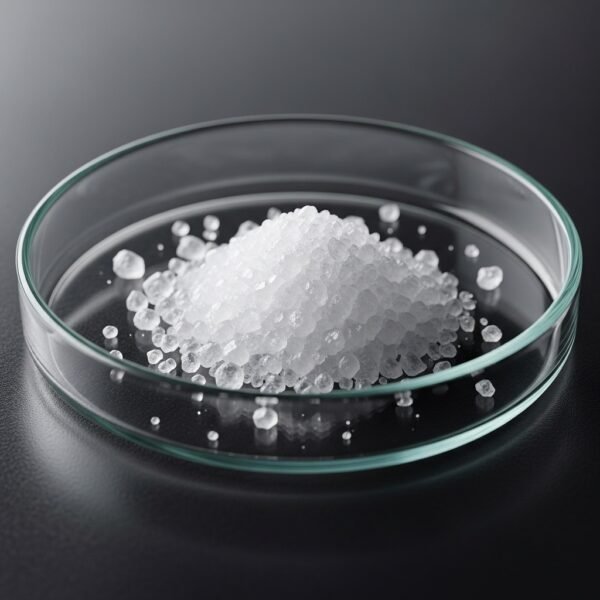
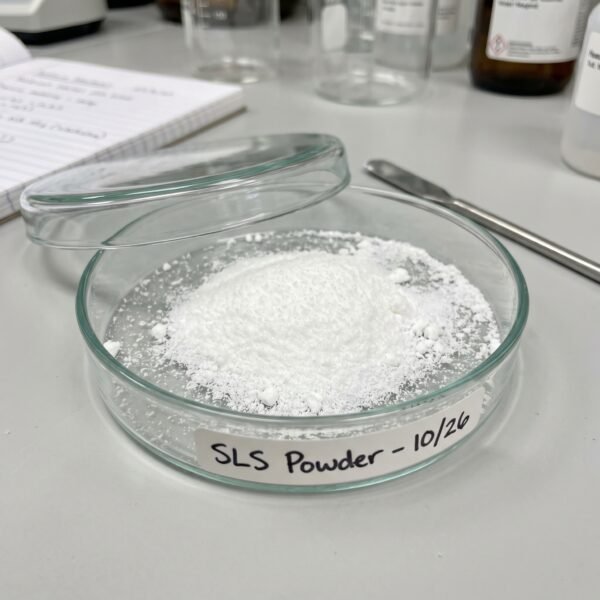
Sodium Tripolyphosphate (STPP), known scientifically as Na₅P₃O₁₀, is a versatile and widely used inorganic compound. Despite its complex chemical name, it is essentially the sodium salt of triphosphoric acid. Appearing as a white crystalline powder or granules, this odorless and water-soluble compound is a staple in various industrial and consumer applications.
How is Sodium Tripolyphosphate Made?
The production of Sodium Tripolyphosphate involves heating a mixture of monosodium phosphate (NaH₂PO₄) and disodium phosphate (Na₂HPO₄) at high temperatures of 450-550°C. This energy-intensive process fuses the phosphates into a tripolyphosphate structure, resulting in two crystalline forms (Phase I and Phase II) with unique physical properties. This compound can also be produced in anhydrous form or as a hexahydrate.
Applications and Usability
Sodium Tripolyphosphate plays a crucial role in industries due to its efficiency. It is commonly used in detergents, water treatment, and food preservation. The anhydrous form is particularly favored for industrial uses as it is more concentrated and conveniently stored, enhancing its value across various sectors.

Reviews
There are no reviews yet.